By: CampoAventuras Editorial Team
Why Independence Cannot Be Taught with Speeches
All parents want independent children. But we want the result without allowing the process. This is the most common paradox of modern parenting.
❌ What We Do
- We constantly overprotect
- We solve all their problems
- We don't allow them to fail
- We follow them until university
✅ What We Expect
- That they are autonomous at 18
- That they solve problems alone
- That they make mature decisions
- That they are immediately responsible
⚠️ The Dilemma of Modern Parents
- How do we teach independence if we overprotect them?
- How do they learn to solve problems if we're always there?
- How do they develop self-confidence if they never face real challenges?
The Gradual Independence Model
At CampoAventuras we apply a scientifically validated model: progressive autonomy with calibrated safety net.
🎯 The 4 Levels of Progressive Autonomy
| Level | Age | Characteristics | Safety Net | Pedagogical Goal |
|---|---|---|---|---|
| Level 1: Initiation | 8-10 years | Constant visible supervision, Simple guided decisions, Structured routines | 1 monitor per 6 campers | Basic trust in new environment |
| Level 2: Exploration | 11-13 years | Intermittent supervision, Minor consequence decisions, Routine flexibility | 1 monitor per 10 campers | Management of limited freedoms |
| Level 3: Autonomy | 14-15 years | Distant supervision, Group-impact decisions, Self-organisation permitted | 1 monitor per 15 campers | Responsibility for others |
| Level 4: Leadership | 16-17 years | Minimal supervision, Mentoring younger participants, Self-managed projects | Monitor as consultant | Almost total preparatory autonomy |
💡 It's like taking the training wheels off the bike, but running alongside just in case.
What They Really Learn: Beyond "Being Away From Home"
Activities are the vehicle. Independence lessons are the destination:
🐴 Example: Equestrian Activities
❌ It's not just riding nicely
Many think horse riding is passive entertainment.
✅ It's learning responsibility
- Another living being depends on your care
- Responsibility before privilege
- Immediate consequences of negligence
- Empathy with non-human beings
🪢 Example: High Ropes Course
❌ It's not just adrenaline
It seems like recreational extreme activity.
✅ It's public fear management
- Facing fear with people watching
- Vulnerability is not weakness
- Asking for help is strength
- Celebrating others' achievements
🚣 Example: Group Canoeing
❌ It's not just paddling
It seems like recreational water sport.
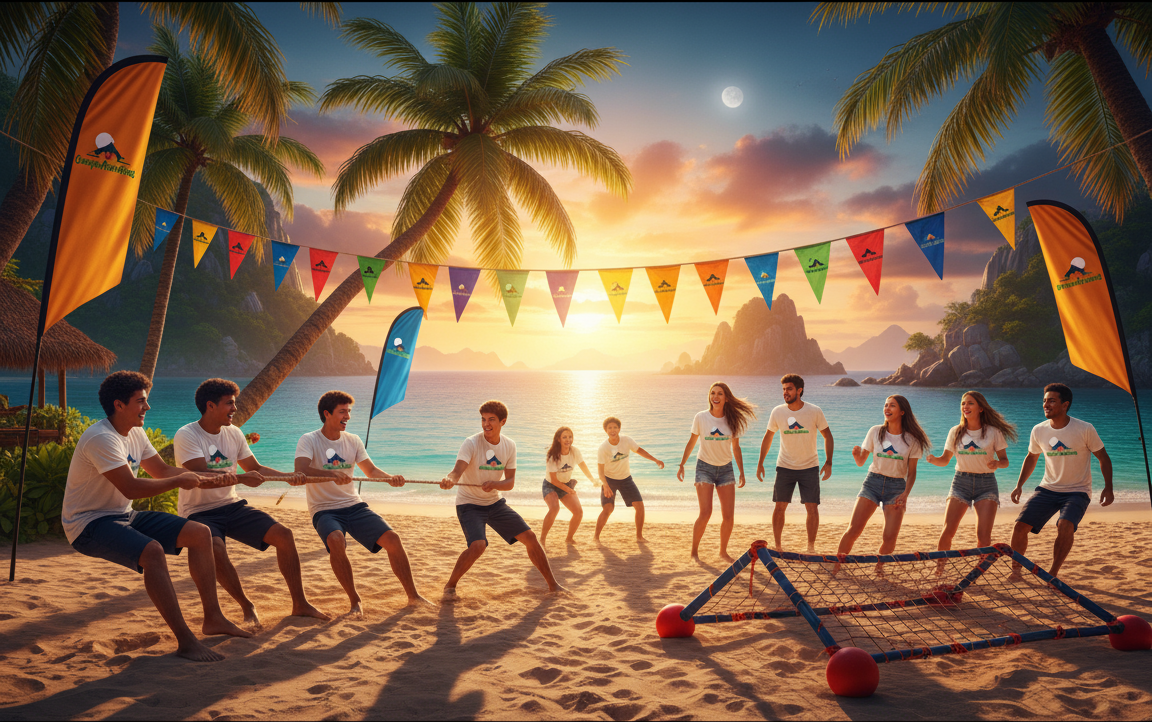
✅ It's forced mutual dependency
- Synchronise with another or capsize
- Communication without words
- Individualism doesn't work
- Rotating roles (everyone leads)
Why Context Matters: Island vs City
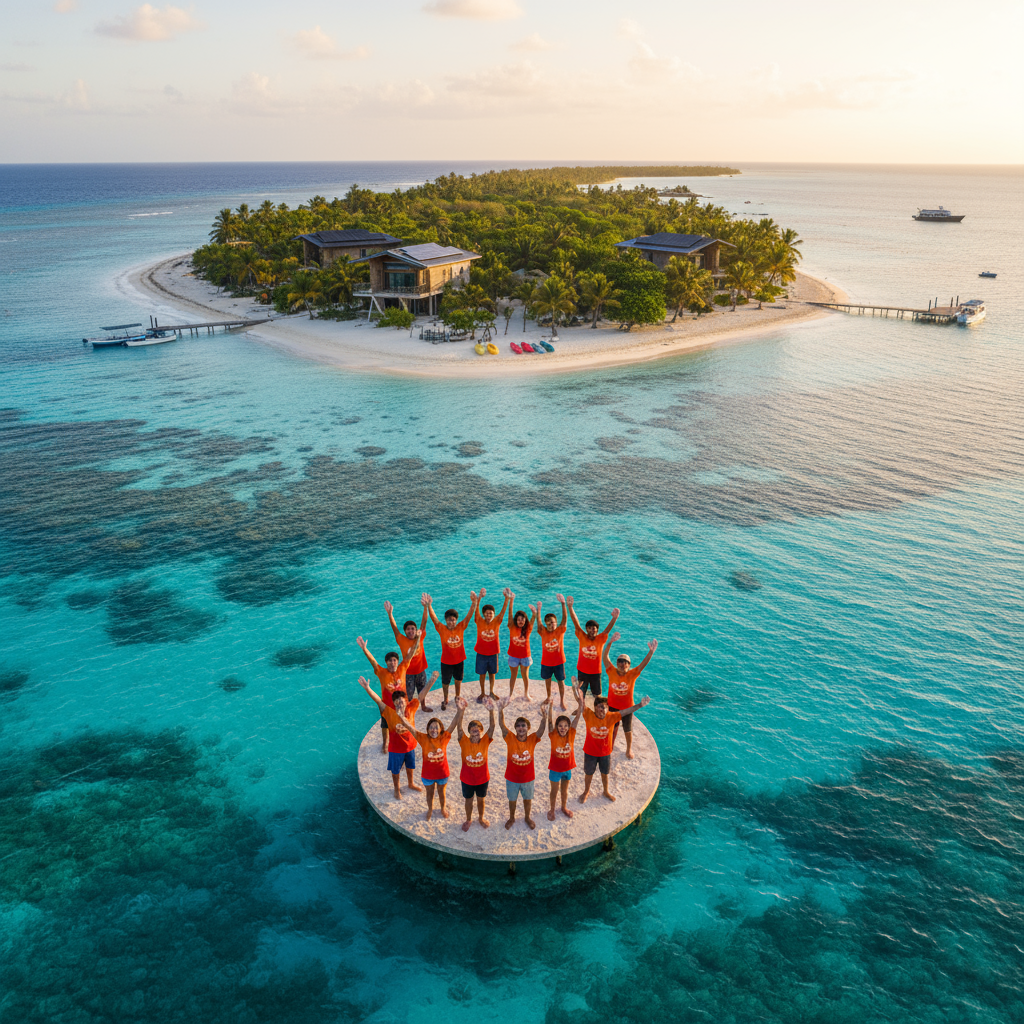
It's not the same to develop independence in an urban camp as on an island. The context creates very different conditions:
| Aspect | Urban Camp | Island Camp (CampoAventuras) |
|---|---|---|
| Digital Disconnection | Partial (WiFi available) | Total (no natural coverage) |
| Self-sufficiency | Limited (city nearby) | Obligatory (limited resources) |
| Consequences of Actions | Attenuated (easy rescue) | Immediate (critical management) |
| Coexistence | Escapable (own areas) | Inevitable (limited space) |
| Relationship with Nature | Optional (green areas) | Constant (enveloping ecosystem) |
"On an island, young people can't fake independence. Either they truly develop it, or they collapse. And we're there to make the process transformative, not traumatic." — Ricardo Roldán, General Director CampoAventuras
Ricardo Roldán, Director General CampoAventuras
The Value of Language in Context (Immersive English)
CampoAventuras integrates English naturally. But not for the obvious reasons:
✅ Deeper Reasons
- Communicating when you don't understand everything: Tolerance for ambiguity
- Asking for help in another language: Overcoming pride, developing humility
- Making friends without a common language: Non-verbal communication, gestural empathy
- Expressing complex emotions with limited vocabulary: Linguistic creativity
English is a tool, not an end. They learn English WHILE developing emotional independence.
Testimonials: The Transformation According to Families
🗣️ What Families Say (2024 Beta Edition)
"My son learned to be a leader, to be strong and to trust his abilities. The camp taught him to be more autonomous and to face life with confidence." — Mother of Santiago, 14 years old
"We didn't recognise our daughter when she came back. Before she asked for help with everything. Now she solves her own problems and even helps her younger brother." — Father of Valentina, 12 years old
30 Days: The Habit Change Threshold
CampoAventuras lasts 30 days for scientific, not arbitrary reasons:
🧠 The Neuroscience of Habit Change
Why specifically 30 days?
- Less than 21 days: Transformative tourism, not lasting transformation
- 21-30 days: Observable and measurable habit change
- More than 30 days: The young person completely forgets who they were before
The Question You Must Ask Yourself as a Parent
What do you prefer?
❌ Option A
A child who depends on you until age 25 and collapses when they must face the world alone
✅ Option B
A child who at 15 already trusts their abilities and can solve problems without you
Formative camps are an investment in future independence, not a holiday expense.
Our Commitment: Perfect Balance
✅ What We DO Offer
- Real challenges with professional supervision
- Calibrated freedom according to age and maturity
- Natural consequences, not artificial punishments
- Emotional support available, not imposed
- Controlled communication with parents (not constant)
❌ What We DON'T Do
- Overprotection disguised as care
- Activities without controlled risk
- Solve problems they can solve themselves
- Allow constant contact with parents
- Level down (everyone at the slowest pace)
At CampoAventuras, safety enables adventure. Supervision enables autonomy. Challenge enables growth.
This analysis is part of our series "Real Independence", where we explore how camps develop genuine autonomy without overprotection.

Equipo Editorial
Editorial TeamTeam of journalists and communicators at CampoAventuras, dedicated to sharing the stories that transform lives through experiential education.