By: CampoAventuras Editorial Team
What Differentiates a Transformative Camp from an Expensive Holiday
For two years we studied internationally recognised camps across Latin America, Europe and North America. The findings were clear:
It's not about the location, the infrastructure or the price. It's about intentional pedagogical design.
The 7 Pillars of Excellence in Camps
Basados en estándares de la American Camp Association (ACA), European Camping Federation (ECF) y adaptados a Colombia:
1️⃣ Explicit Pedagogical Purpose
❌ Mediocre Camps
- "We do kayaking because it's fun"
- "We have campfires because it's tradition"
- "We do hikes because kids enjoy them"
✅ Excellent Camps
- "Kayaking develops synchronisation and non-verbal communication"
- "Campfires facilitate emotional reflection and group bonding"
- "Hikes practise rotating leadership and group decision-making"
2️⃣ Professionally Certified Staff
International Staff Standards
| Role | Minimum Certifications | Required Experience | Ratio with Campers |
|---|---|---|---|
| General Director | Pedagogy degree + ACA Director | 5+ years camps | — |
| Activity Monitor | First aid WFA + Technical cert | 2+ years with youth | 1:10 |
| Aquatic Monitor | Lifesaving + PADI rescue | 3+ years aquatic | 1:6 |
| Psychology | Child/adolescent psychology | 3+ years groups | 1:30 |
| Health | Registered nurse + wilderness | 2+ years emergency | 1:50 |
3️⃣ Intentional Small Groups
The Science Behind Group Size
Pedagogical research demonstrates a clear limit: more than 150 participants and community cohesion degrades irreversibly. This is not an opinion — it's Dunbar's Number applied to educational contexts.
❌ Mass Camps (500+)
- Monitors can't remember everyone's names
- Shy young people hide in the mass
- Conflicts are managed by imposition not facilitation
- Activities become standardised (everyone the same)
- Personalisation is impossible
✅ Small Groups (150-200)
- Each monitor knows personal stories
- Everyone participates, nobody can hide
- Conflicts become learning opportunities
- Activities are personalised by age and maturity
- Every young person gets noticed and supported
4️⃣ Strategic Social Integration
Diversity as Pedagogical Strength
The best camps in the world design intentional socioeconomic diversity. It's not charity. It's pedagogy.
🎯 Why Diversity Improves Learning
For Young People from Higher Socioeconomic Groups:
- They learn that value is not in possessions
- They develop real (not theoretical) empathy
- They discover talents invisible in homogeneous contexts
- They question privileges and develop responsibility
For Young People from Lower/Middle Socioeconomic Groups:
- They see horizons they didn't know were possible
- They develop realistic aspirations
- They understand their potential is not limited by their origin
- They access networks of contacts they'd otherwise never reach
5️⃣ Real Certifications (Not Decorative Diplomas)
International Certification Standards
A serious camp offers certifications that open academic and professional doors beyond the camp. Not decorative participation certificates.
| Area | CampoAventuras Certification | Issuing Body | International Validity |
|---|---|---|---|
| Diving | Open Water Diver | PADI | 180+ countries |
| Marine Conservation | Citizen Scientist | Reef Check | UNESCO recognised |
| Kayaking | Level 1 Paddler | British Canoeing | ACA compatible |
| Robotics | Level 1 Educator | LEGO Education | World standard |
| Leadership | Camp Leader | ACA adapted | North American standard |
| Drone | Basic Pilot | DJI/FAA | Commercial entry |
| Aquatic First Aid | Rescuer | ARC/Cruz Roja | International standard |
6️⃣ Environmental Programmes with Measurable Impact
Environmental Education ≠ Nature Walks
❌ Green Tourism
- Observing beautiful landscapes
- Taking photos for social media
- Activities without scientific context
- Environmentalism as decoration
✅ Applied Citizen Science
- Collection of real scientific data
- Contribution to global databases
- Understanding of systemic environmental impact
- Environmentalism as applied responsibility
📊 Example: CampoAventuras Reef Monitoring Programme
- Methodology: Standardised Reef Check protocol
- Data collected: Coral health, fish species, pollution indicators
- Frequency: 3 official transects per camp
- Destination: Global Reef Check database (used by IUCN)
- Impact: Data contributes to conservation decisions in Colombian Caribbean
7️⃣ Transparency and Continuous Improvement
Openness to Feedback and Evolution
The camps that endure are those that acknowledge imperfections and evolve with them. Arrogance and perfection are incompatible.
Phase 1: Collection
🔄 CampoAventuras Continuous Improvement System
Phase 1: Collection
- Daily surveys of campers
- Post-camp feedback from parents
- Monitor self-assessment
- Objective results measurement
Phase 2: Analysis
- Weekly team meetings
- Pattern identification
- Improvement prioritisation
- Root cause analysis
Phase 3: Implementation
- Immediate adjustments possible
- Structured planning of changes
- Transparent communication with families
- Documentation of learnings
Why Colombia Has Potential for World-Class Camps
Colombia's Competitive Advantages
Our Responsibility: Setting the Standard
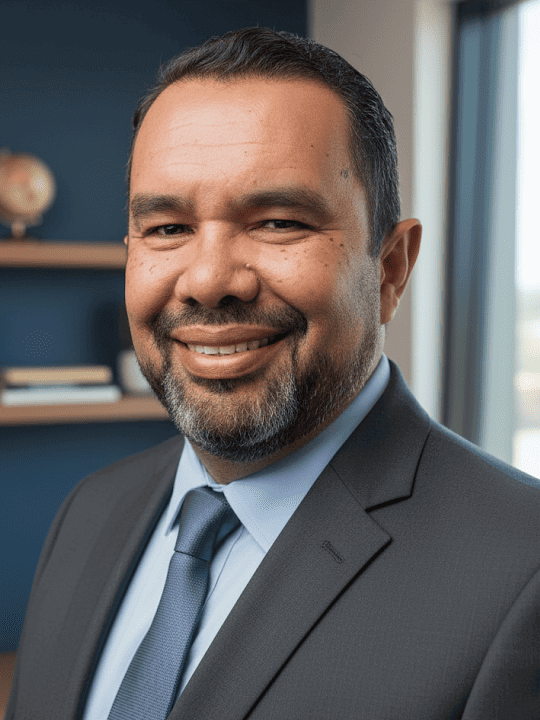
"CampoAventuras doesn't aspire to be the biggest camp in Colombia. It aspires to be the BEST. And best is not measured in number of participants — it's measured in depth of transformation." — Ricardo Roldán, General Director CampoAventuras
Ricardo Roldán, Director General CampoAventuras
Our Commitment to Excellence
✅ 100% Certified Staff
WFA minimum, technical specialisations
✅ Small Groups
180 maximum, 1:10 ratio
✅ Real Certifications
PADI, ACA, Reef Check, LEGO
✅ Total Transparency
We acknowledge errors and improve
Excellence is not a destination. It is a daily commitment to standards that we refuse to lower.
This analysis is part of "Pedagogical Giants", our series studying what makes transformative camps last for decades.
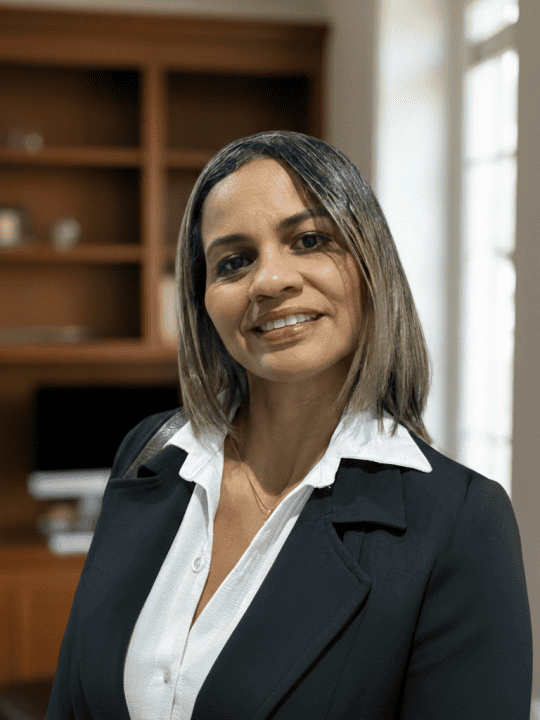
Haydis Miranda
Cultural CoordinatorAnthropologist and cultural guide specialising in Colombian Caribbean heritage and intercultural education.