By: CampoAventuras Editorial Team
The Data Every Parent Should See Before Deciding
A 3-year longitudinal study with 1,200 families in 14 countries conducted by the Camp Kupugani Research Institute demonstrated something that intuition already knew: formative camps generate lasting psychological changes.
📊 Results of the Camp Kupugani Study (2020-2023)
Significant improvement in self-esteem
Form at least 2 lasting friendships
Show greater independence at home
Improve conflict resolution
Of parents recommend the experience to other families
Story 1: The Young Man Who Didn't Speak
📋 Initial Profile
- Nombre: Mateo (nombre cambiado), 12 años
- Situación: Timidez extrema, invisible en el colegio
- Comportamiento digital: Mudo en redes sociales
- Diagnóstico: Sin patología, solo inhibición social severa
📅 Evolution During Camp (30 days)
- Day 1: Panic, wants to leave, cries in private
- Day 3: Participates in activities with minimum interaction
- Day 7: Makes first friend in kayaking activity
- Day 15: Leads a group in camp construction challenge
- Day 30: Delivers closing speech to 180 people
✅ What Happened?
At camp:
- No option to hide behind a screen
- Mandatory group activities (but not forced interaction)
- Monitors trained to facilitate social inclusion
- Small enough group to be noticed
- Activities requiring real cooperation
Story 2: The Young Woman Who Only Competed
📋 Initial Profile
- Nombre: Ana (nombre cambiado), 14 años
- Situación: Perfeccionista académica, primera en todo
- Estado emocional: Ansiosa, infeliz a pesar de éxito
- Diagnóstico: Alta exigencia autoimpuesta, comparación constante
🎯 Key Activity: Group Raft Construction
- Challenge: Her team fails 3 consecutive times
- Initial reaction: Blames others, gets frustrated
- Monitor intervention: Facilitates reflection on group dynamics
- Day 4: She changes strategy — starts listening instead of directing
- Final result: Her team succeeds. She is in tears.
💡 Lesson Learned
At camp:
- No grades to compare
- No performance rankings
- Activities require collective contribution
- Success is binary: either the raft floats or it doesn't
- Individual brilliance doesn't work without collective coordination
Why It Works: Camps as Social Laboratories
Camps are real life laboratories without permanent consequences. They offer something unique: the opportunity to fail, learn and try again with professional support.
| Situation | At School | At Camp |
|---|---|---|
| You fail an exam | Affects average, parent meeting | Information for learning, no grade |
| You get into conflict | Goes to discipline, sanctions | Facilitated by monitor, skills developed |
| You fail at leadership | Social labelling | Opportunity to try another approach |
| You feel different | Possible bullying | Celebrated as asset |
| You make a mistake | Noted in report | Part of the learning process |
💡 It's like a video game: you can fail, learn, try again. But with real human interactions. That's why the impact is so deep and lasting.
The 4 Pillars of Psychological Impact
1️⃣ Real Social Development
❌ It's not making friends on social media
- Communication mediated by screen
- Emojis replace facial expressions
- Ghosting as conflict resolution
- Curated self-presentation
- Optional interaction (block, mute, unfollow)
✅ It's face-to-face socialisation
- Resolve conflict without option to flee
- Complete body language
- Work with people you didn't choose
- Authentic self-presentation (no filter)
- Mandatory interaction (shared space for 30 days)
2️⃣ Genuine Independence
❌ It's not being alone in your room
- Netflix decides for you what to watch
- Mum organises your day
- Dad solves your problems
- Delivery brings food to the door
- All decisions made by others
✅ It's autonomy with consequences
- Decide what to wear (and live with that decision)
- Manage your things (if you lose them, you're without them)
- Resolve conflicts without adult mediation
- Organise your own time
- Solve daily problems with available resources
3️⃣ Connection with Nature
❌ It's not visiting a park with WiFi
- 2 occasional hours outdoors
- Selfies in beautiful landscapes
- Return to screen after 15 minutes
- Nature as scenery, not environment
✅ It's total immersion in ecosystems
- 10-12 hours daily outdoors
- Complete digital disconnection (30 days)
- Active activities in natural environment
- Nature as constant teacher (not background)
4️⃣ Emerging Leadership
❌ It's not being class president
- Leadership by election/popularity
- Formal and rigid roles
- No real consequences for decisions
- Leadership as status, not responsibility
✅ It's real situational leadership
- Take initiative in uncertainty
- Motivate others when they give up
- Yield control when others know more
- Make real-consequence decisions
- Lead without formal title, through demonstrated competence
Follow-up at 3 Years: The Benefits Persist
What is valuable about the Camp Kupugani study: they didn't only measure during camp. They made follow-up at 6 months, 12 months and 3 years post-camp.
✅ Sustained Improvements
✅ Sustained Improvements
- +23% academic performance (improved concentration capacity) — maintained at 3 years
- +34% in reported self-esteem — maintained at 3 years
- -41% in social anxiety — maintained at 3 years
- +28% in leadership capacity — maintained at 3 years
- +67% in real vs virtual friendships (preference for in-person interaction)
💡 Most Important
It's not a temporary effect of "fun holidays".
It's neurological restructuring from deep experiences:
- New neural connections (experiential learning)
- Behavioural patterns consolidated in the brain
- Emotional memories that guide future decisions
- New self-narrative: "I am someone who can"
Recommendations from Child Psychology Experts
👶 Ideal Age
🎯 Decision Guide for Parents
👶 Ideal Age
8-10 years for first camp
- Old enough to process the experience
- Young enough to form lasting habits
- Capable of basic self-sufficiency (hygiene, organisation)
- Ability to express basic emotions
⏱️ Minimum Duration
21-30 days for sustainable change
- Fewer than 5 days: tourism, not transformation
- 5-14 days: memorable experience, change starts
- 21-30 days: sustainable habit change
- 30+ days: deep restructuring of social patterns
🎨 Type of Camp
With focus on values, not just entertainment
- Clear purpose in each activity
- Pedagogically trained staff
- Structured reflection (debrief)
- Measurable outcomes
- Post-camp follow-up
🤝 Allow Choice
Let the young person choose according to their interests
- Imposition creates resistance
- Choice creates commitment
- Explore options together
- Respect final decision
The Immeasurable Value
"Camps offer a unique social laboratory where children can experiment with different aspects of their identity, fail without permanent consequences, and discover parts of themselves that surprise them." — Dr. Christopher Thurber, Harvard University, youth camp specialist
Dra. Ana María López, Psicóloga Infantil especializada en desarrollo adolescente
At CampoAventuras: Designed for Measurable Impact
Each of our 4 missions has specific psychosocial objectives that we measure before, during and after:
| Mission | Main Psychological Objective | Competencies Developed | Measurement |
|---|---|---|---|
| Extreme | Resilience and self-efficacy | Frustration tolerance, mastery | Rosenberg Scale before/after |
| Digital | Critical thinking and creative autonomy | Analytical thinking, creation | Problem-solving assessment |
| Caribbean | Cultural identity and empathy | Social perspective, values | Social skills questionnaire |
| Family | Attachment bonds and communication | Emotional expression, trust | Family interaction observation |
💡 There is no activity without formative purpose. There is no purpose without measurement. There is no measurement without transparency.
The Final Call
Camps Are NOT Expensive Holidays
They are investments in the emotional future of your children.
How much is it worth that your child:
- ✅ Trusts themselves genuinely
- ✅ Knows how to make real (not virtual) friends
- ✅ Resolves conflicts without collapsing
- ✅ Leads by competence, not popularity
- ✅ Has clear purpose in life
- ✅ Manages their emotions healthily
- ✅ Contributes to their community
- ✅ Arrives at adulthood ready to face real challenges
For us, that has no price. It has an unbreakable commitment.
📚 Scientific Sources
- Camp Kupugani Research Institute - Longitudinal study 2020-2023 (N=1,200)
- American Camp Association - Annual research reports 2018-2024
- Thurber, C. (2017). The Summer Camp Handbook. Harvard University Press
- Cope, J. & Watts, G. (2000). Learning by Doing. Small Business Management
- Berman, D. & Davis-Berman, J. (2005). Wilderness Therapy. Kendall/Hunt
This report is part of "Scientific Evidence", our series documenting the measurable and sustainable impact of formative camps on the psychosocial development of young people.
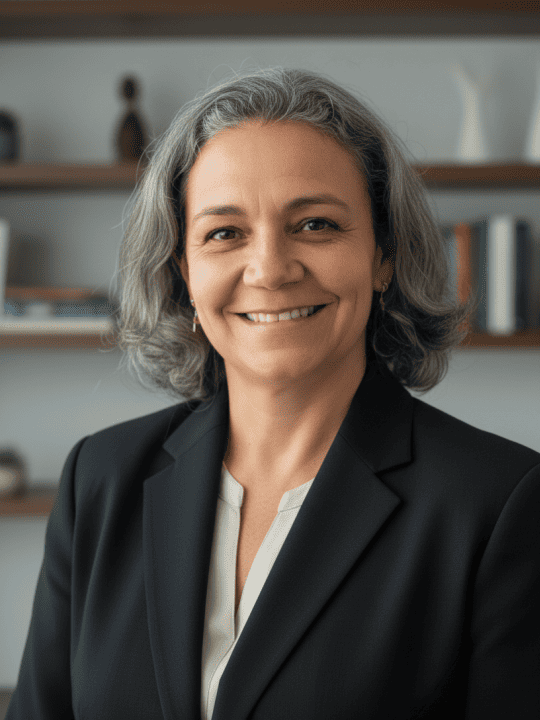
Neuridis Díaz
Technology CoordinatorEducational technology specialist with 8 years of experience in pedagogical innovation and digital skills for young people.