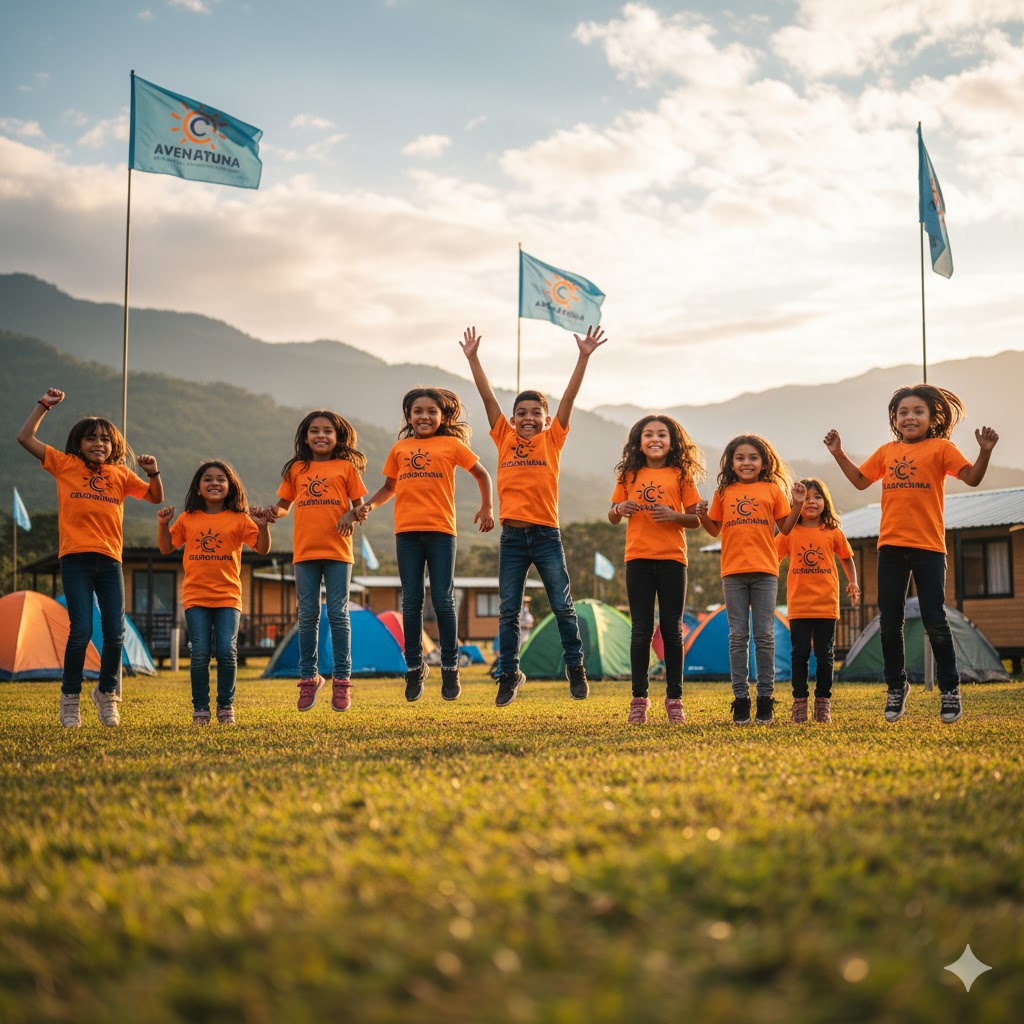
By: CampoAventuras Editorial Team
When a Camp Goes Beyond Entertainment
At CampoAventuras we studied successful camps across Latin America for two years. We identified a clear pattern: the camps that last for decades are those with a purpose beyond entertainment.
It's not enough to offer fun activities. Transformative camps have a clear philosophy of social impact.
The Real Social Impact Model
At CampoAventuras we adopt a model where each camp includes a community contribution project. It's not charity. It's transformative collaboration.
Phase 1
Phase 1
IDENTIFICATION
Young people identify a real need in the community they visit
Phase 2
DESIGN
They design a collaboration project (not imposing solutions)
Phase 3
EXECUTION
They execute the project TOGETHER with the community (horizontal work)
Phase 4
REPLICATION
On returning, they replicate the model in their neighbourhoods and schools
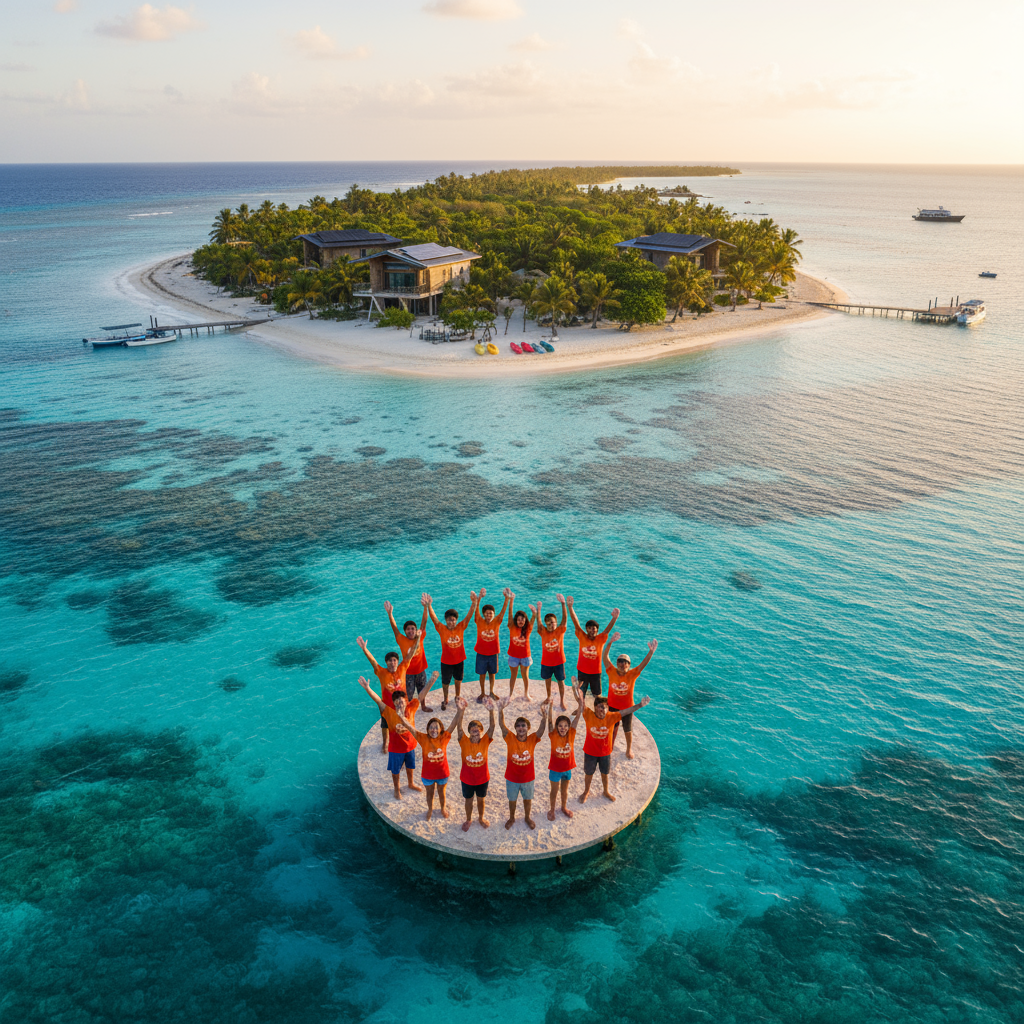
Concrete Example: Drinking Water Project
💧 Case Study: Island Community with Water Scarcity
📍 The Situation Found
- Community of 80 families on a remote island
- Drinking water limited to 2 hours per day
- Abundant rainfall but no collection systems
- Recurring gastrointestinal diseases
🎯 The Project Developed
- Community rainwater harvesting system
- Basic purification workshops
- Construction with local materials
- Maintenance training
🌟 The Measurable Results
| Water harvested: | +500L daily on average |
|---|---|
| Families benefited: | 80 direct, 200+ indirect |
| Diseases: | ↓ 60% in 6 months |
| Cost: | $2.5M (local materials) |
Why This Changes Young People
A teenager who experiences this process undergoes a profound transformation:
Generational Impact: The Mathematics of Change
When we analyse the long-term impact of camps with a social focus, the numbers are revealing:
📊 CampoAventuras Social Impact Projection
| Impact Level | Description | Number of People |
|---|---|---|
| Direct Impact | Camp participants | 180/year |
| Family Impact | Parents, siblings, extended family | ~720/year |
| Community Impact | Communities where projects are executed | ~500/year |
| Replication Impact | Projects replicated by participants (3 each) | ~540/year |
| TOTAL ANNUAL IMPACT | ~1,940 people | |
| 10-YEAR PROJECTION | ~19,400 lives touched |
Conservative estimates based on impact studies of transformative camps in Latin America.
"This is REAL social impact, not corporate discourse. Each project leaves a measurable trace in communities and in the consciousness of young people." — Ricardo Roldán, General Director CampoAventuras
Ricardo Roldán, Director General CampoAventuras
Segmentation by Maturity: Not Everyone Is the Same
A key lesson from successful camps: respecting emotional development levels. At CampoAventuras we clearly differentiate:
Junior Group (8-11 years)
🎯 Pedagogical Focus
- Social integration
- Structured play
- Guided discovery
- Basic habits
Typical Projects:
- Beach cleanups
- School gardens
- Community art
Intermediate Group (12-14 years)
🎯 Pedagogical Focus
- Emerging leadership
- Complex teamwork
- Critical reflection
- Progressive autonomy
Typical Projects:
- Recycling systems
- Technology workshops
- Social documentaries
Senior Group (15-17 years)
🎯 Pedagogical Focus
- Consolidated leadership
- Complex projects
- Mentoring younger participants
- Total autonomy
Typical Projects:
- Community infrastructure
- Social entrepreneurship
- Youth public policies
Why Camps Transform Societies
The equation is simple but powerful:
❌ A young person without purpose
- Higher risk of addiction
- Risk-taking behaviour
- Social apathy
- Low academic performance
✅ A young person with purpose
- Community leadership
- Voluntary service
- Agent of change
- Sustained academic success
💡 Formative camps are social prevention disguised as transformative holidays.
Hard Data: The Scientific Evidence
📈 Longitudinal Studies on Service Camps
Source: American Camp Association - 5-year longitudinal study with 2,400 participants (2018-2023)
At CampoAventuras: We Integrate This Full Model
Our Family Mission includes specific social impact components:
🤝 Intergenerational Service Projects
Parents and children work TOGETHER on community projects:
- Construction of basic infrastructure
- Educational workshops for communities
- Exchange of knowledge with local population
- Documentation of at-risk traditions
💭 Guided Reflection on Privilege
We facilitate difficult but necessary conversations:
- What opportunities do we have that others don't?
- How did those opportunities come to us?
- What responsibility do we have with that privilege?
- How can we redistribute opportunities?
📝 Post-Camp Action Commitments
Each family designs their social impact plan:
- They identify a cause they connect with emotionally
- They define concrete and measurable actions
- They establish a follow-up calendar
- They share progress in a virtual community
We Don't Just Want Happy Campers
We want agents of change formed in real contexts.
"The true measure of a camp's success is not how many had fun. It's how many transformed their reality after going home."
This report is part of "Camps that Transcend", our series on models with lasting social impact in Latin America.
Equipo Editorial
Editorial TeamTeam of journalists and communicators at CampoAventuras, dedicated to sharing the stories that transform lives through experiential education.